· 4 min read
Why Does the Belly Take Longer to Recover After a Second Birth?
Stretched tissue, diastasis, swelling — why your figure changes differently after a second birth and how well-fitted compression can help.
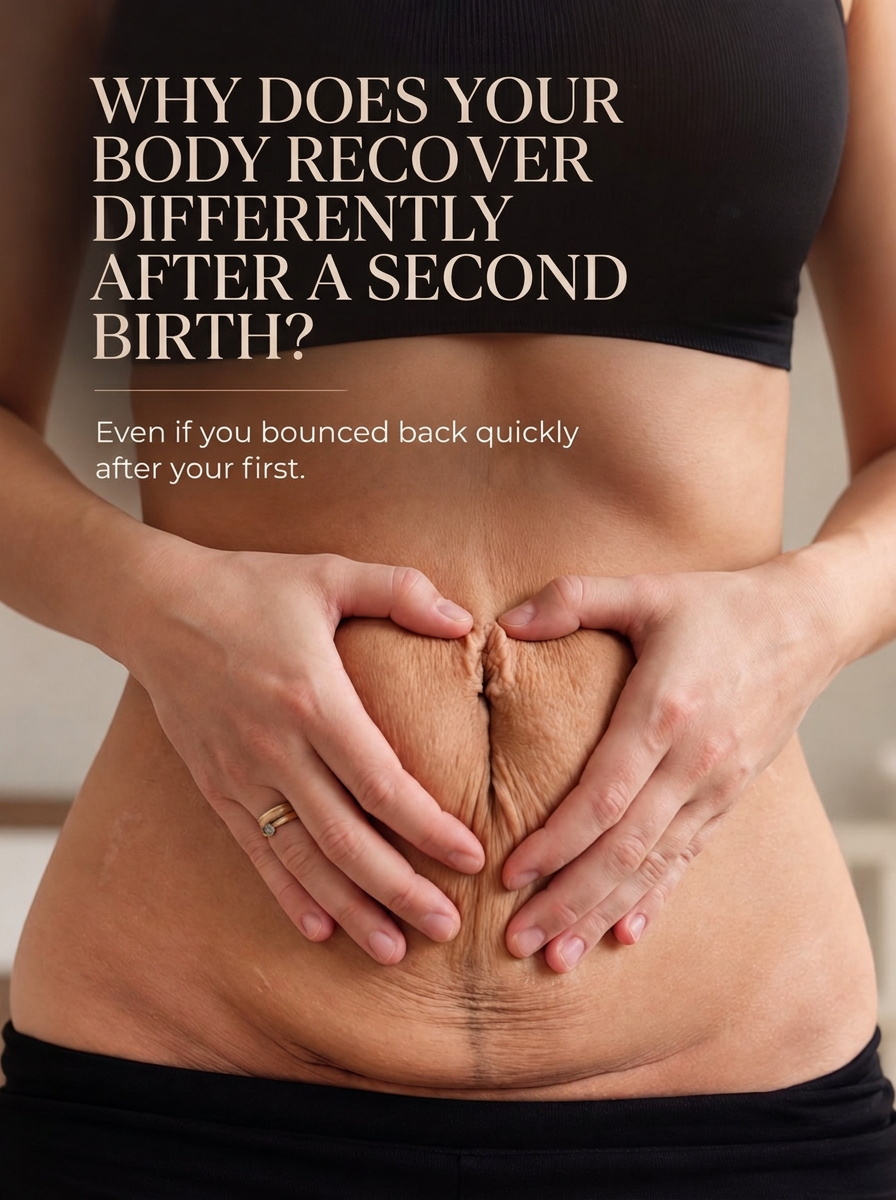
With every pregnancy, the skin, muscles and connective tissue of the abdomen stretch again. After a repeat pregnancy the changes can be more noticeable, and the body may need more time to recover.
What affects the shape of the belly after birth
- stretching of skin and tissue;
- weakened abdominal muscles;
- diastasis recti;
- changes in fat distribution;
- postpartum swelling.
That is why, even after returning to your previous weight, the belly and waist may look different than before pregnancy.
Why losing weight after birth is not enough
Weight and body shape are not the same thing. You can return to your previous weight and still have a soft or protruding belly due to the condition of muscles, skin and connective tissue.
Postpartum body recovery is not only about weight loss. The body needs time, gradual muscle recovery and, when appropriate, additional external support.
Why wear compression garments after birth?
Well-fitted compression garments can make postpartum figure recovery more comfortable. Strong correction helps to:
- support the abdomen and back;
- smooth body contours;
- define the waist;
- reshape the silhouette changed by pregnancy;
- support posture;
- reduce strain on the lower back.
Before wearing compression after birth — especially after a C-section or with diastasis — consult your doctor. Garments do not replace treatment or rehabilitation.
Why strong compression matters
Regular shapewear usually offers light correction and mainly smooths the figure under clothing. Extra-firm correction provides much more pronounced shaping while worn and firm support for a weakened abdominal wall; many women notice a change in their silhouette within the first weeks of regular wear.
Choose your true size: strong correction should come from the garment’s construction, not from buying a smaller size. Pick the size strictly by the brand’s size chart.
Siluet Sabina — full-body postpartum correction
Siluet Sabina offers extra-firm correction and shapes several zones at once: abdomen · waist · back · thighs. It suits women who need comprehensive postpartum support and pronounced shaping of the whole figure.
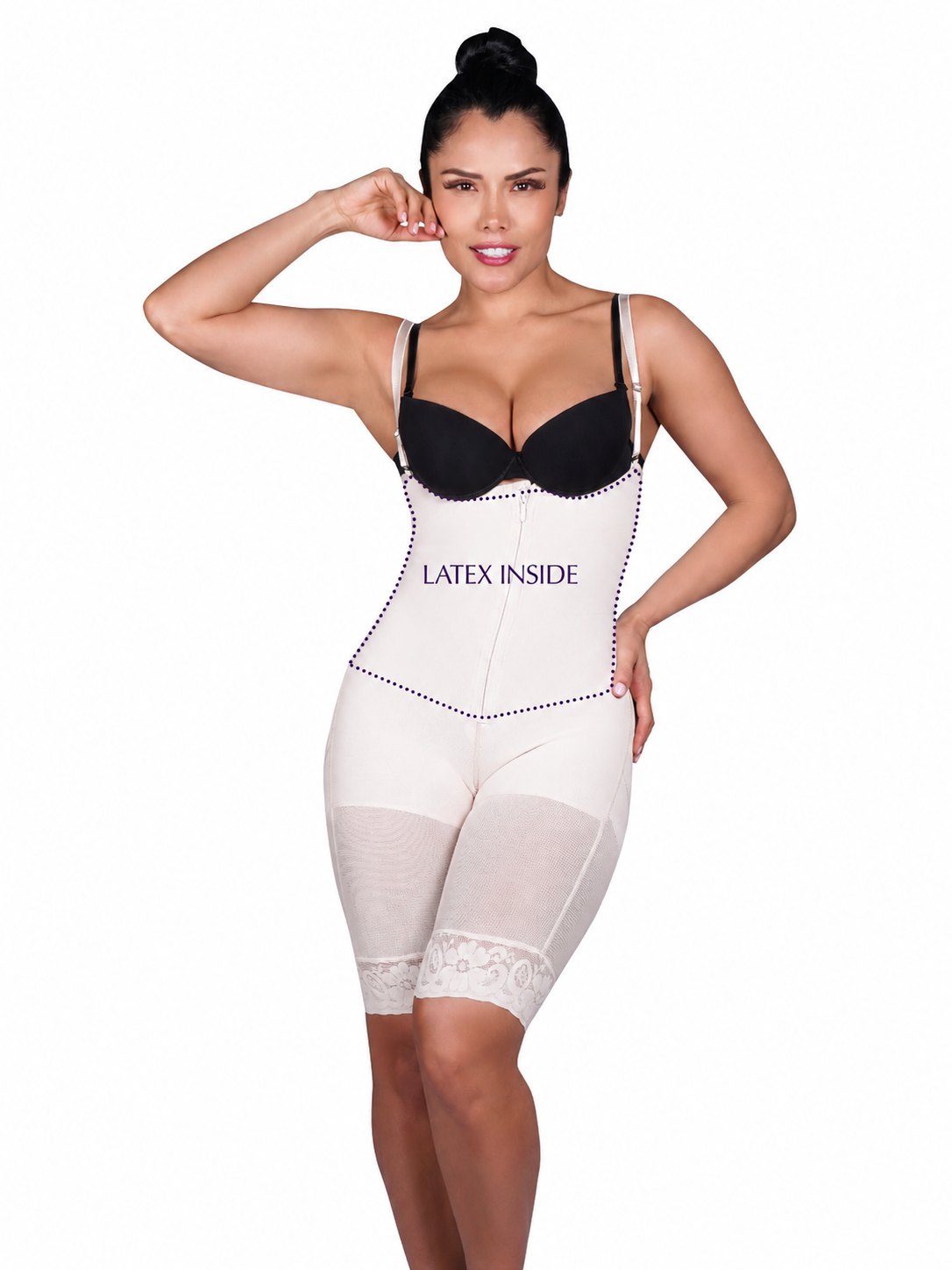
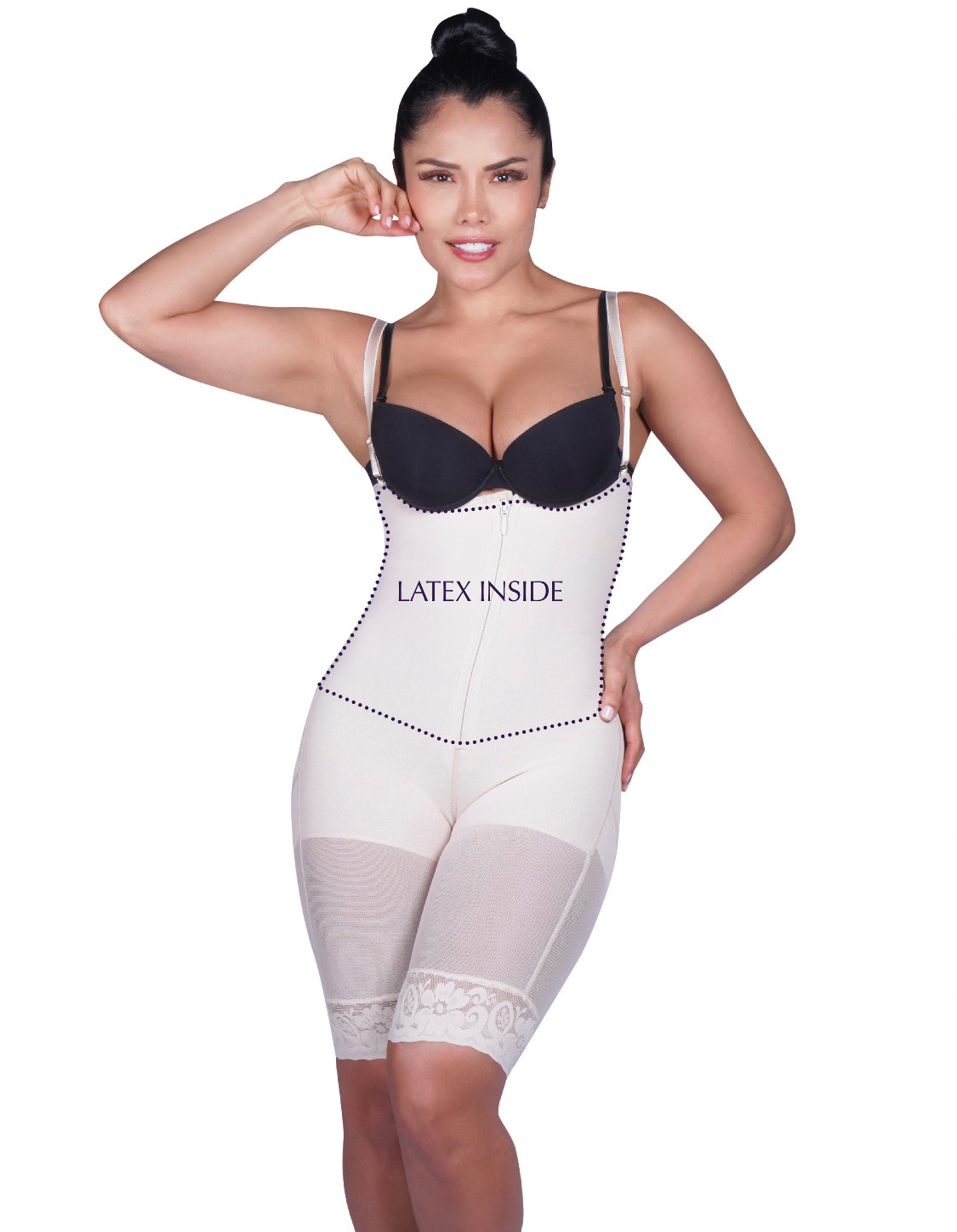
Extra-strong compression
Siluet Sabina
Abdomen · waist · back · thighs. Explore Sabina’s description, composition and sizes.
View model →
Siluet Anna Latex — focus on the belly and waist
Siluet Anna Latex also offers extra-firm correction, focused on the abdomen · waist · back. Both models feature a latex layer that enhances the shaping effect.
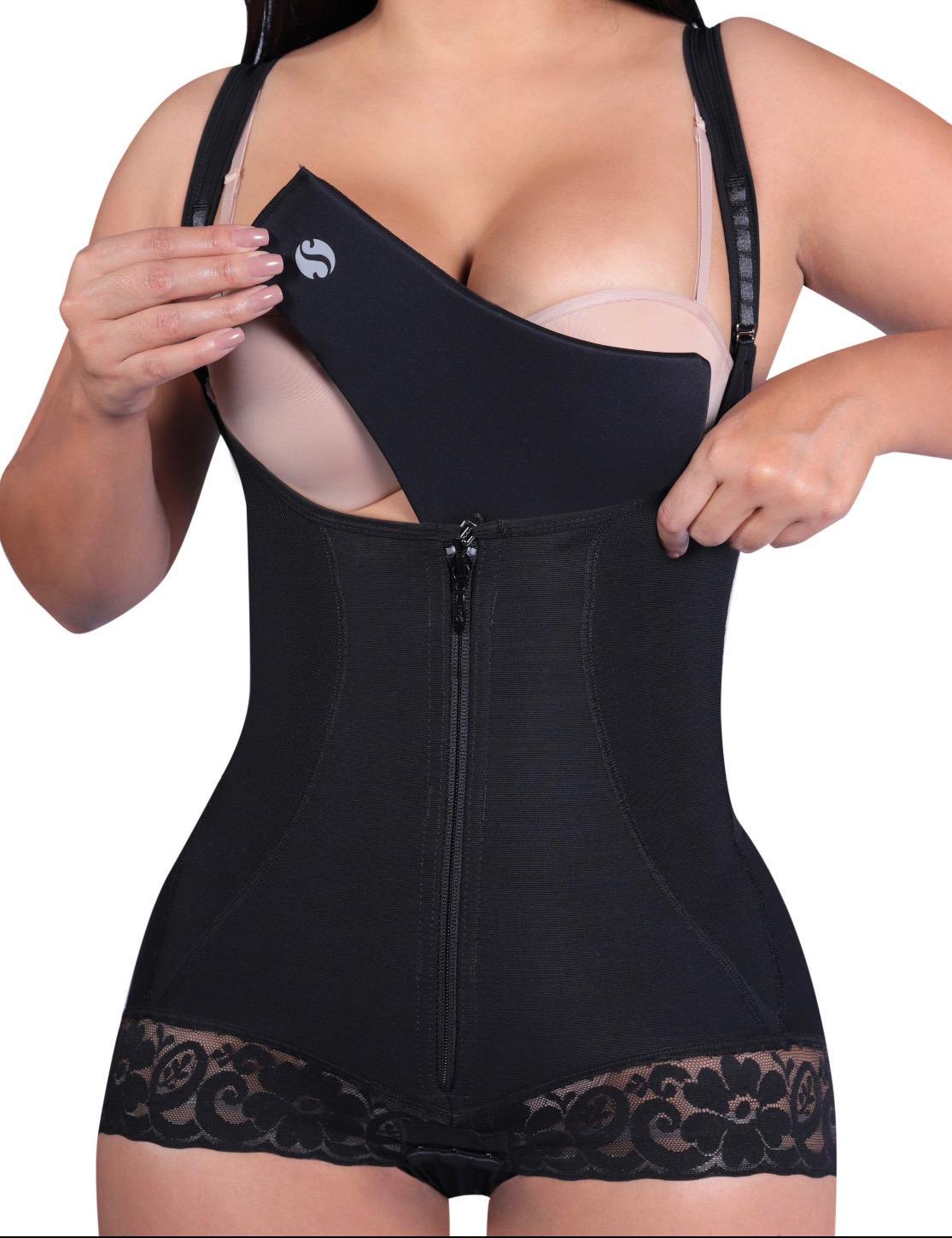
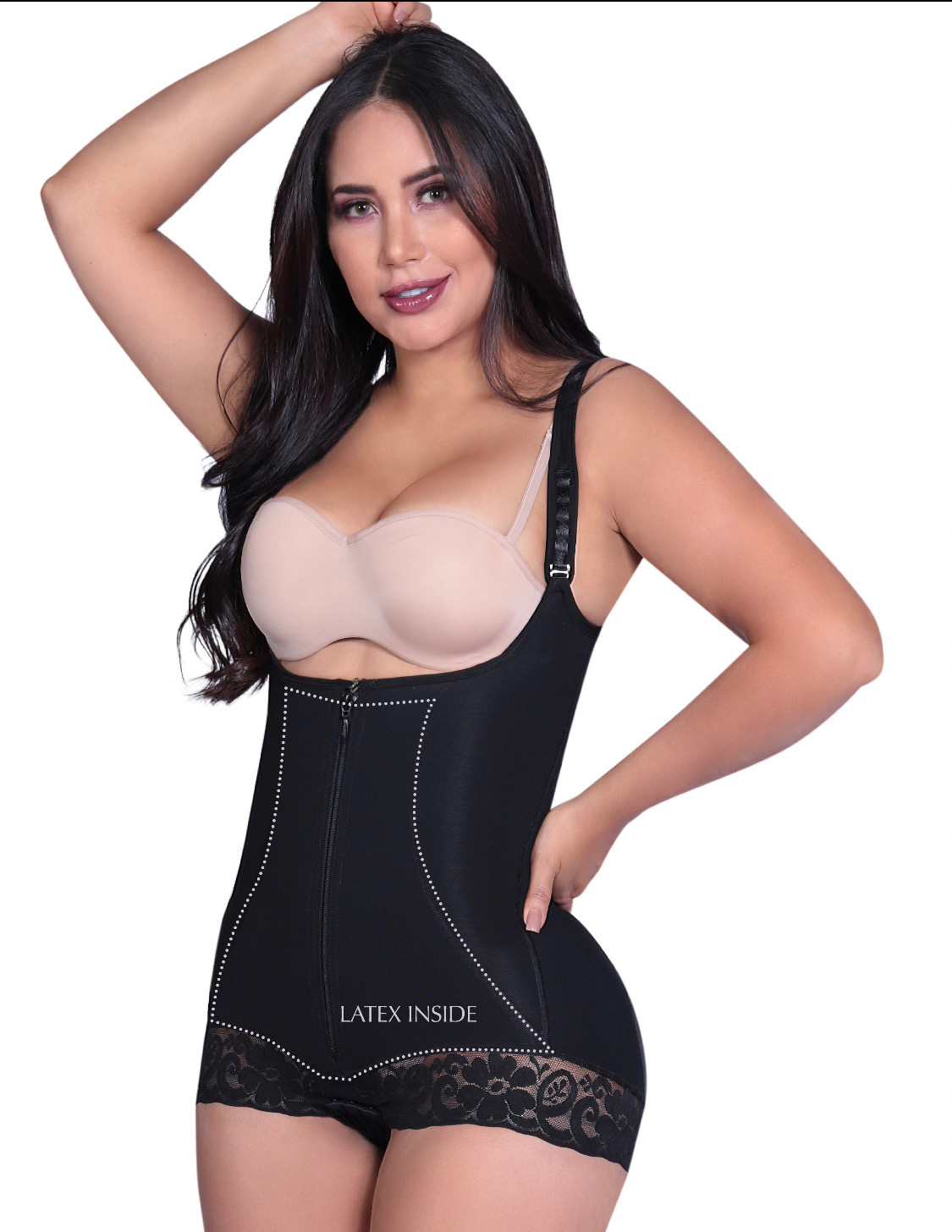
EXTRA-STRONG COMPRESSION
Siluet Anna Latex
Abdomen · waist · back. Explore Anna Latex’s features and size chart.
View model →
How to choose your size
Use your current waist, belly and hip measurements, not your pre-pregnancy size. If your measurements fall into different rows of the chart, ask a consultant to help you choose.
Size chart
Measure your waist at its narrowest point, abdomen at its fullest point, and hips at the widest part of the buttocks.
| Size | Waist (cm) | Abdomen (cm) | Hips (cm) |
|---|---|---|---|
| XS | 60–65 | up to 75 | up to 96 |
| S | 66–73 | up to 82 | up to 99 |
| M | 74–80 | up to 90 | up to 103 |
| L | 81–87 | up to 100 | up to 108 |
| XL | 88–95 | up to 110 | up to 114 |
| 2XL | 96–102 | up to 117 | up to 120 |
| 3XL | 103–108 | up to 124 | up to 127 |
Models in this article
Need help choosing?
Browse Siluet models or contact us — we’ll help you find the model and size.
View catalogMore articles
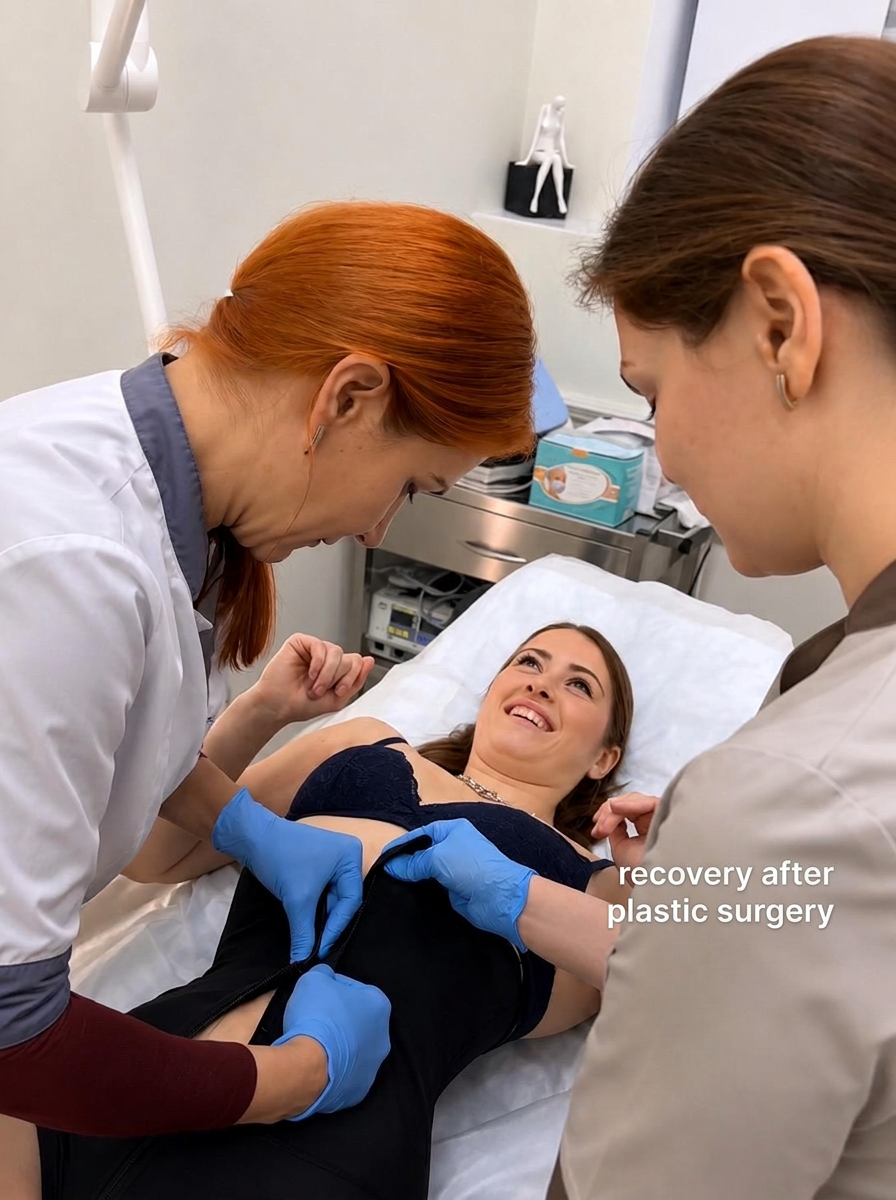
· 5 min read
Compression Garments After Liposuction: Why You Need Them and How to Choose
Why compression matters, how it differs from regular shapewear, and how to choose the right model and size after abdominal and body liposuction.
Read article →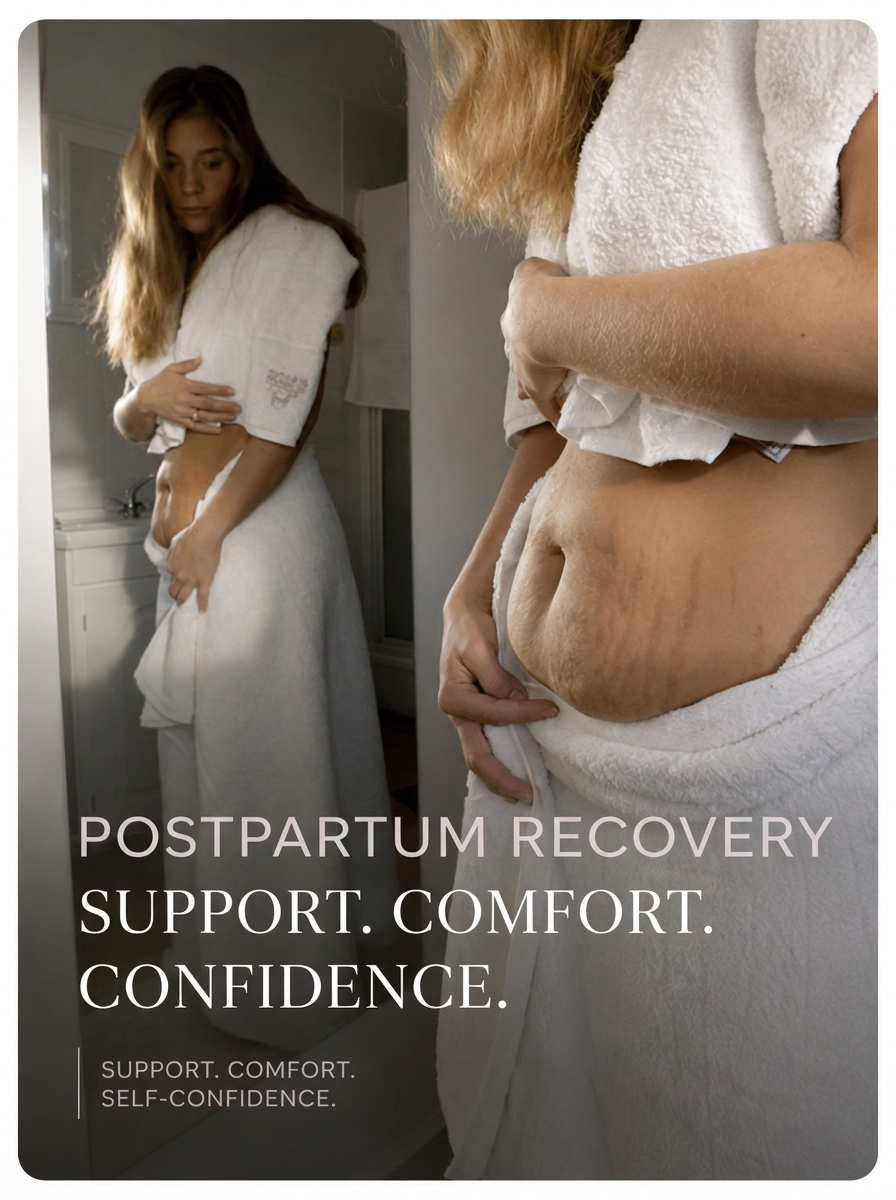
· 5 min read
Postpartum Shapewear: Why Wear It and How to Choose
Abdominal and back support after pregnancy: how the models differ, how to find your size, and why the timing should be agreed with your doctor.
Read article →